Texas Permit Test Cheat Sheet
A condensed, skimmable recap of the rules most worth knowing cold before your exam — distilled from our full Texas practice question bank. This isn't a replacement for the Texas Driver Handbook; confirm anything time-sensitive with Texas DPS.
Right-of-Way
- At a 4-way stop, whoever stops first goes first; if two arrive together, the driver on the left yields to the driver on the right.
- Traffic already inside a roundabout has the right-of-way — entering drivers must yield and wait for a safe gap.
- Every intersection has a legal crosswalk, marked or not — yield to pedestrians in your half of the road or close enough to be a hazard.
- At a two-way stop, only vehicles facing the stop signs must stop; they yield to the uncontrolled cross street.
Traffic Signals
- Solid red = complete stop; right turn on red allowed after stopping, unless posted otherwise.
- Flashing red = treat it like a stop sign. Flashing yellow = slow down and proceed carefully, no full stop required.
- A green arrow gives a protected turn — oncoming traffic has a red light, so you don't need to yield to them.
Traffic Signs
- Shape and color carry meaning: red octagon = STOP, red/white downward triangle = YIELD, yellow diamond = warning, red circle-slash = prohibited, orange = construction.
- Green = guide/directional, blue = services (gas, food, lodging), brown = recreation, white rectangle = regulatory (e.g. speed limit).
- The pentagon shape is reserved for school signs; low water crossing signs mark dips that can flood quickly — never drive into moving or high water.
Speed Limits
- Common default in urban districts: 30 mph, unless posted otherwise.
- Texas posts some of the highest limits in the country — up to 75-85 mph on select rural interstates and toll roads.
- The basic speed law always applies — slow below the posted limit in rain, fog, or heavy traffic even if no lower limit is posted.
- Some highways post a separate, lower limit specifically for vehicles towing a trailer — check the signage.
Following Distance
- Keep at least a 3-second gap in good conditions; add more time in rain, fog, heavy traffic, or behind motorcycles and large trucks.
- Check it yourself: note when the vehicle ahead passes a fixed point, then count seconds until you reach that same point.
Turning & Lane Changes
- Signal continuously for at least 100 feet before turning or changing lanes.
- Right turns start and end in the lane closest to the curb; left turns end just right of the center line of the road you're entering.
- Before turning right, check for cyclists riding along the right side of the lane — a common cause of collisions.
Passing & Lane Markings
- Never pass on the shoulder. Confirm enough clear distance ahead in the oncoming lane before starting, and don't return until you see the passed vehicle's front end in your mirror.
- Double solid yellow = no passing either direction. A broken yellow line on your side means you may pass when clear.
- A diamond lane marking is an HOV lane — it requires the posted minimum number of occupants.
School Buses
- Stop for a school bus with flashing red lights and an extended stop arm — both directions on an undivided road, only your direction if there's a physical median.
- Stay at least 10 feet back and remain stopped until the lights stop flashing and the arm retracts.
Railroad Crossings
- Stop at least 15 feet from the nearest rail when signals, gates, or a flagger indicate a train.
- Never drive around a lowered gate, even if no train is visible. If your vehicle stalls on the tracks, get everyone out and away immediately.
Low Water Crossings
- Even a foot or two of moving water can sweep away a vehicle, and the road underneath may be damaged or washed out — never enter a flooded crossing.
- Never drive around a barricade at a flooded crossing; find another route instead.
- If your vehicle stalls in rising water, get out and move to higher ground immediately.
Move Over & Emergency Vehicles
- Move over one lane for a stopped emergency, tow, or TxDOT vehicle with flashing lights if safe; slow down significantly if you can't change lanes.
- Pull right and stop for an approaching emergency vehicle — but never stop inside an intersection; clear it first.
DWI, DUI, Alcohol & Drugs
- Texas uses two different terms: DWI (Driving While Intoxicated) for adults at or above 0.08% BAC; DUI applies specifically to the zero-tolerance offense for drivers under 21 with any detectable alcohol.
- Commercial drivers: 0.04% BAC limit. Implied consent means refusing a chemical test after a DWI arrest brings an automatic license suspension, separate from any conviction.
- A DWI that injures someone else is charged as intoxication assault, a felony.
Distracted Driving
- Statewide law bans reading, writing, or sending text messages while driving — for everyone.
- Texas has no full statewide ban on adults simply holding a phone to talk, outside specific zones like school crossings — though cities may add their own rules.
- Provisional (under-18) license holders may not use any wireless device, even hands-free, during the restricted period.
Seatbelts & Child Safety
- Every occupant, front and back, must wear a seatbelt.
- Children under 8 (or under 4'9") must be in a child safety seat system.
- Never place a rear-facing car seat in front of an active airbag.
Parking
- Park at least 15 feet from a fire hydrant, and generally within about 18 inches of the curb when parallel parking.
- Never park where it blocks a crosswalk, or on a shoulder without a genuine emergency.
- Uphill with no curb: turn wheels away from the road. Downhill facing a curb: turn wheels into the curb.
Freeway Driving
- Use the acceleration lane to match traffic speed before merging — you don't automatically have the right-of-way entering a freeway.
- Signal and move into the exit lane well before your exit. If you miss it, continue safely to the next exit — never stop, back up, or U-turn on a freeway.
Weather Conditions
- "Turn Around, Don't Drown": never drive into a flooded road — depth and road damage underneath are often impossible to judge.
- Bridges and overpasses lose heat faster than the road around them and can ice over before nearby roads do.
- If you start hydroplaning, ease off the gas — don't brake or turn suddenly.
Work Zones
- Fines are commonly doubled for violations in a posted work zone when workers are present.
- A flagger's signals take priority over the standard signs and signals in that area.
Roundabouts
- Traffic moves counterclockwise; yield to vehicles already circulating before entering.
- Signal right just before your exit. If you miss it, just go around again rather than stopping or reversing.
Sharing the Road with Large Vehicles
- If you can't see a truck driver's face in their mirror, they likely can't see you either.
- Trucks and buses often swing wide before a right turn — never try to squeeze into the gap on their right.
Bicycles
- Texas has no single statewide passing-distance law for bicyclists — many cities set their own rules — so always pass with as much clearance as possible.
- Check for cyclists riding along the right side of the lane before turning right.
- Check for approaching cyclists before opening a car door.
Insurance & Registration
- Texas splits these duties: DPS issues driver licenses and permits, while TxDMV handles vehicle registration and titling.
- Be ready to show your license, registration, and proof of financial responsibility at any traffic stop.
Licensing & Provisional Rules
- Learner license available at 15; must be held at least 6 months before applying for a provisional license.
- Provisional (under-18) license: no driving midnight-5 a.m. and no more than one passenger under 21 outside family, for the first 12 months.
- Requires about 30 hours of supervised practice (10 at night) and completing the Impact Texas Teen Drivers (ITTD) program.
- The DPS written knowledge test generally requires at least 70% correct to pass.
After a Collision
- Check for injuries and call 911 first, before handling paperwork.
- Stop and exchange name, address, registration, license, and insurance information with everyone involved.
- Texas generally requires reporting crashes with injury, death, or apparent damage of $1,000 or more. Failing to stop and exchange info is a hit-and-run.
Signs to Know
Quick visual recap of commonly tested signs — see the full Permit practice test for sign-recognition questions.
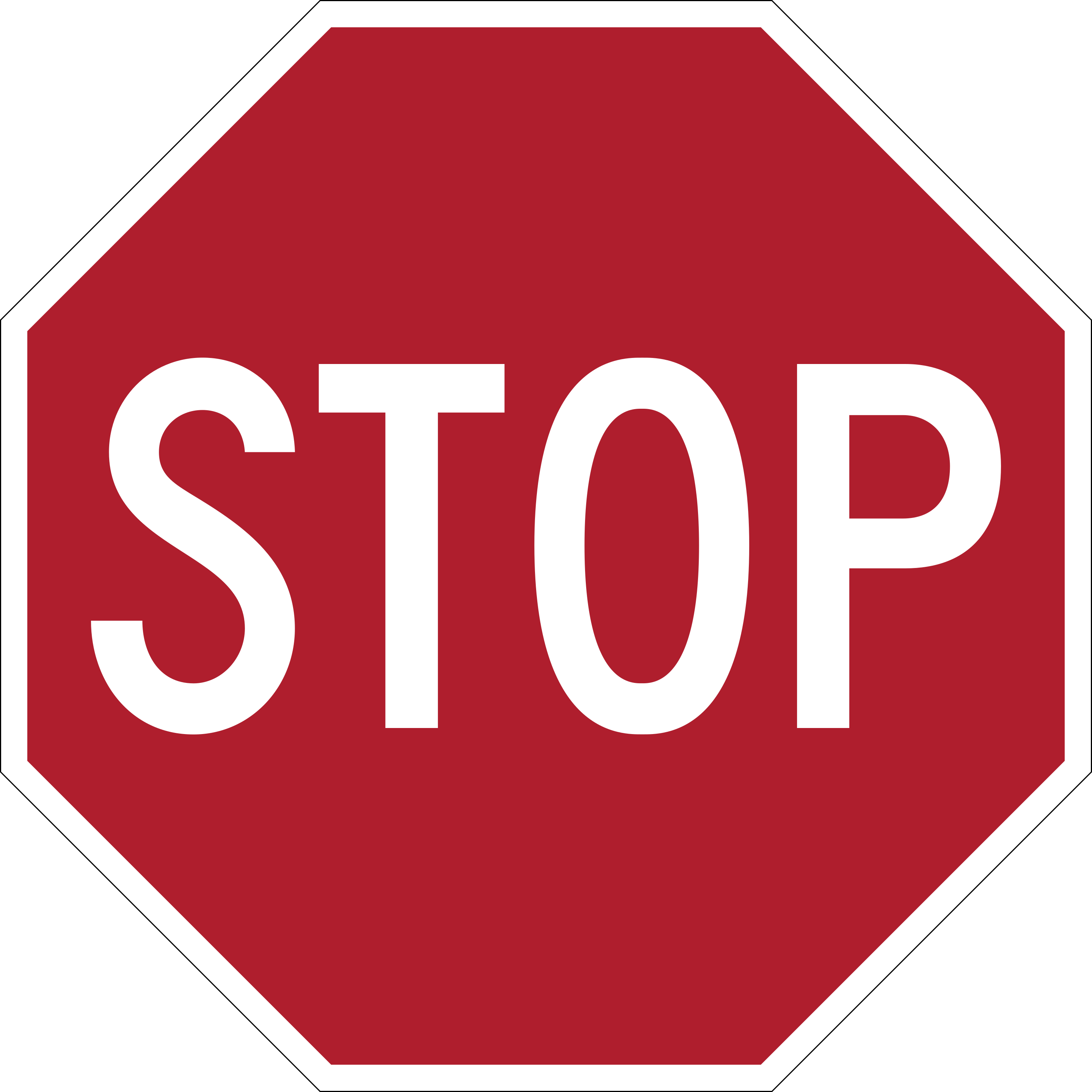
Come to a complete stop, then proceed only when it is safe to do so
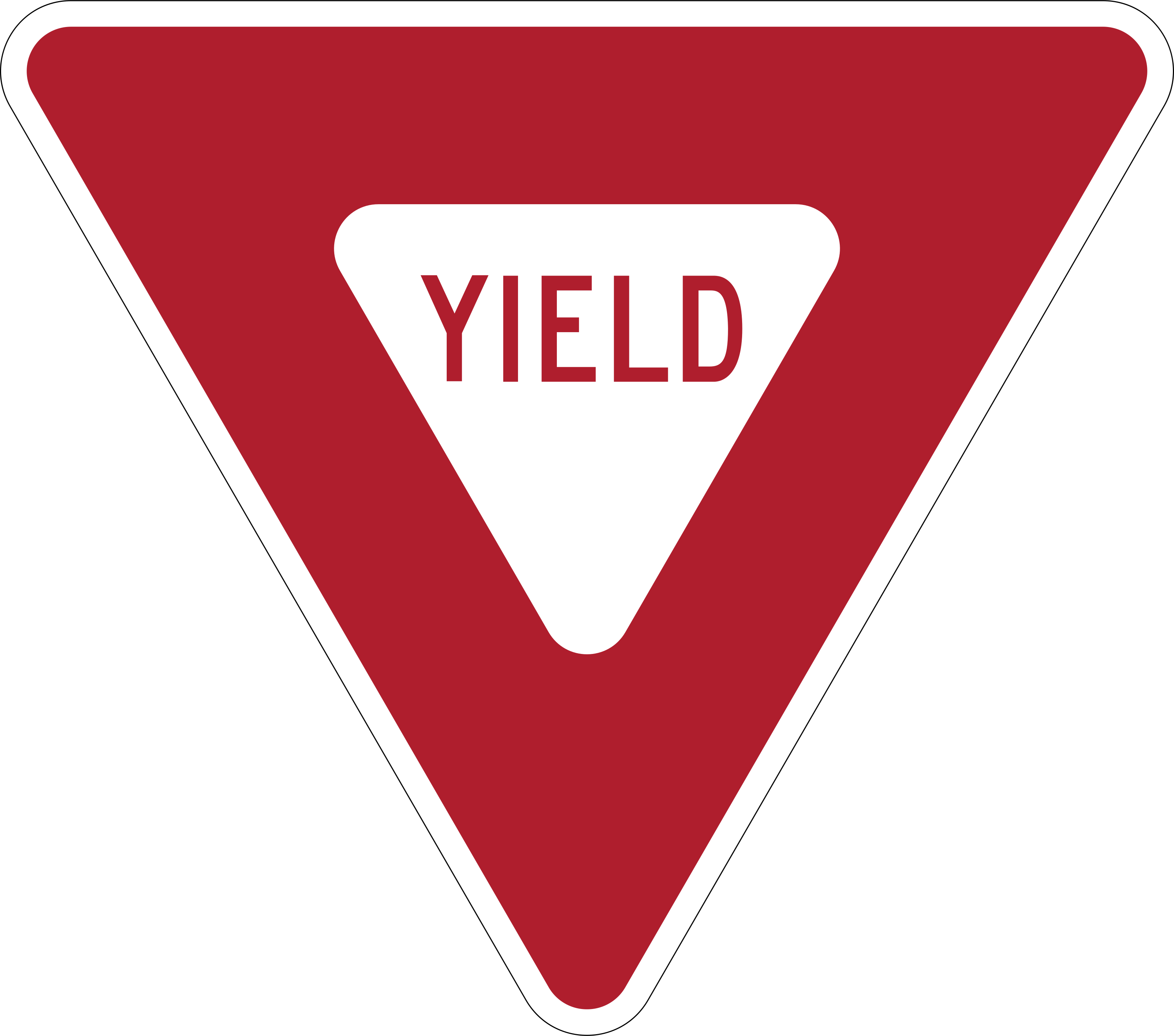
Slow down and be ready to stop, giving the right-of-way to other traffic or pedestrians
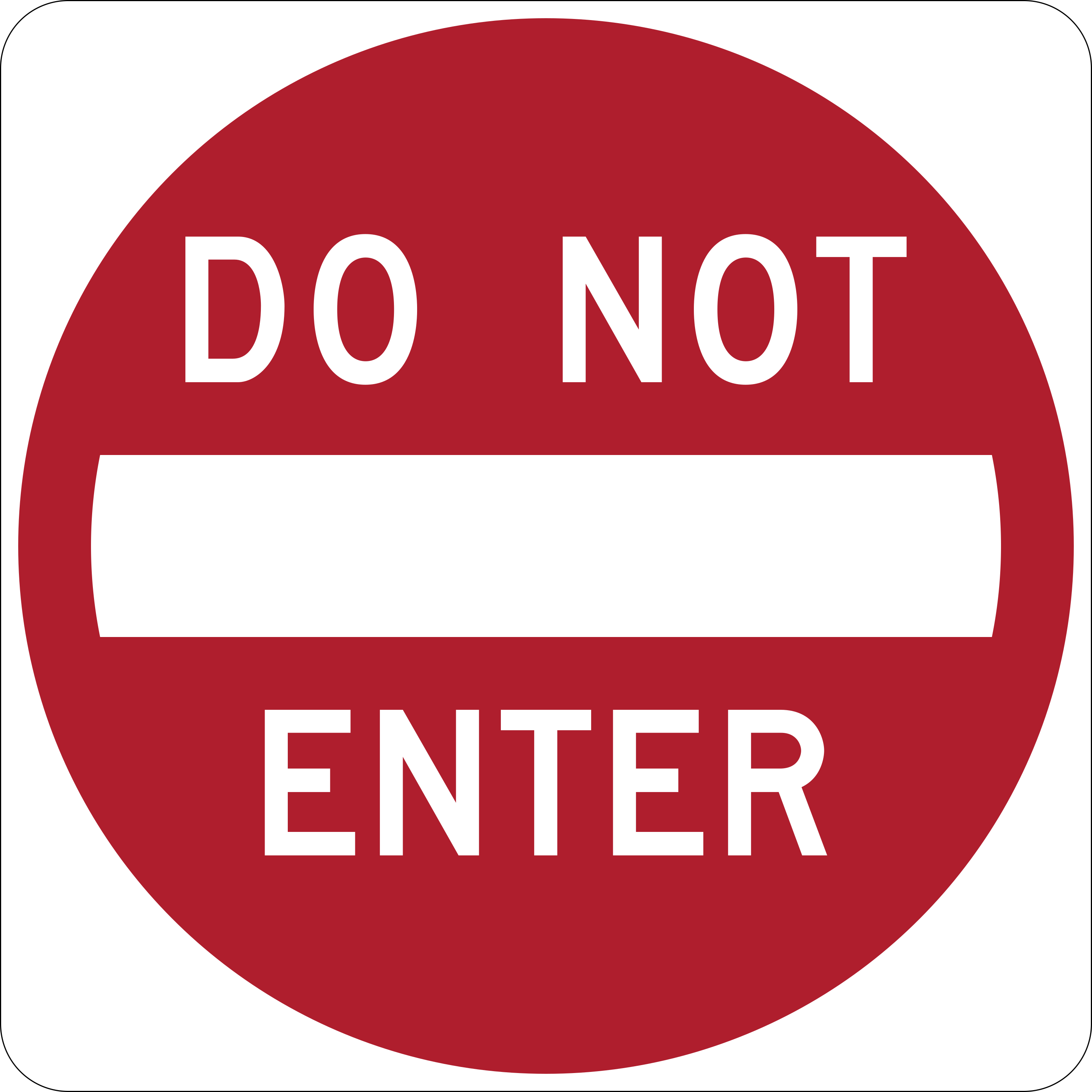
Do not drive past this sign in this direction; the roadway is closed to traffic entering here
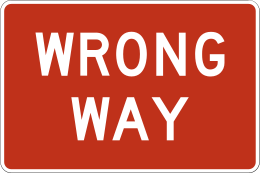
You are driving against the flow of traffic and must safely turn around or stop immediately
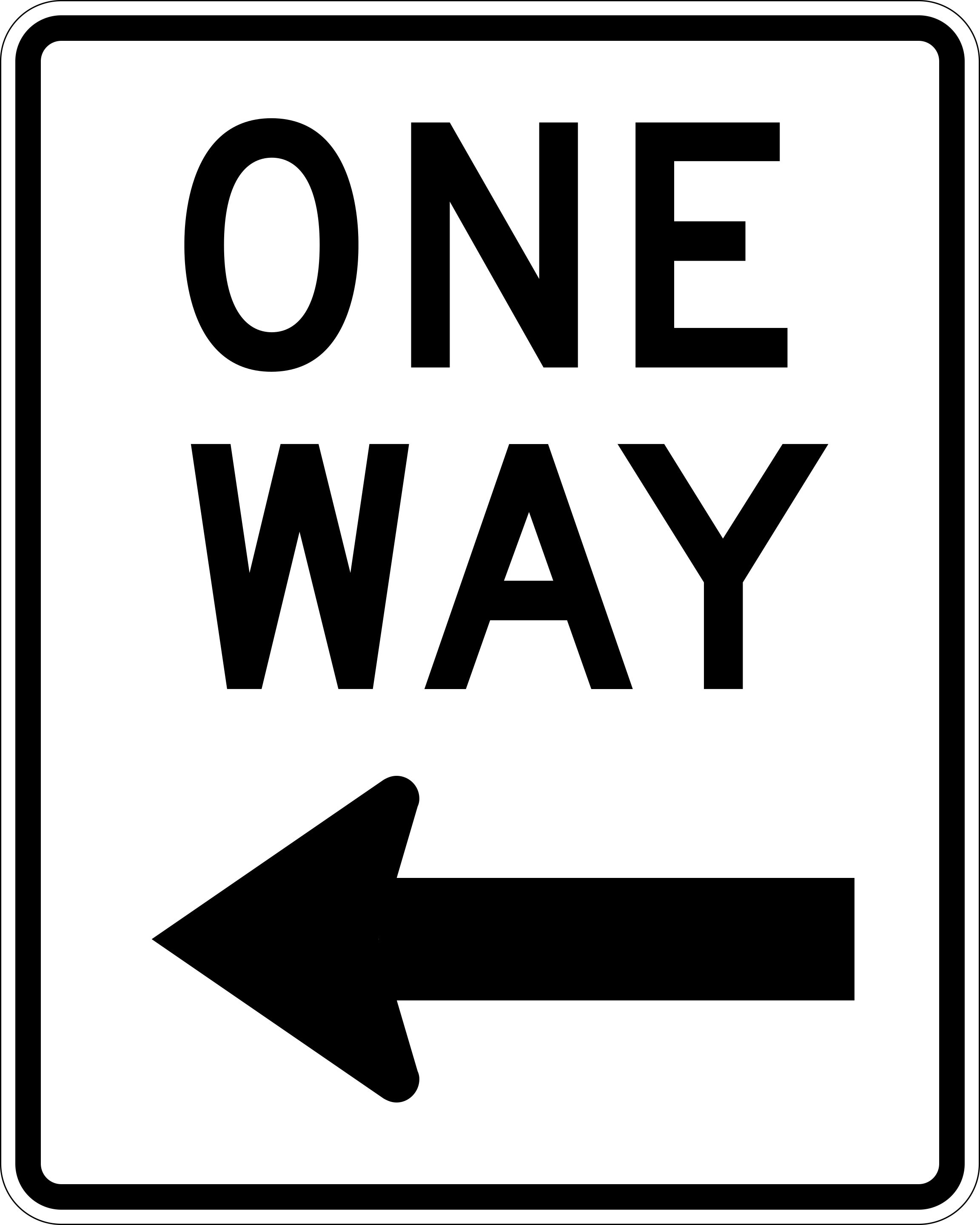
Traffic on this road or lane may only travel in the direction the arrow points
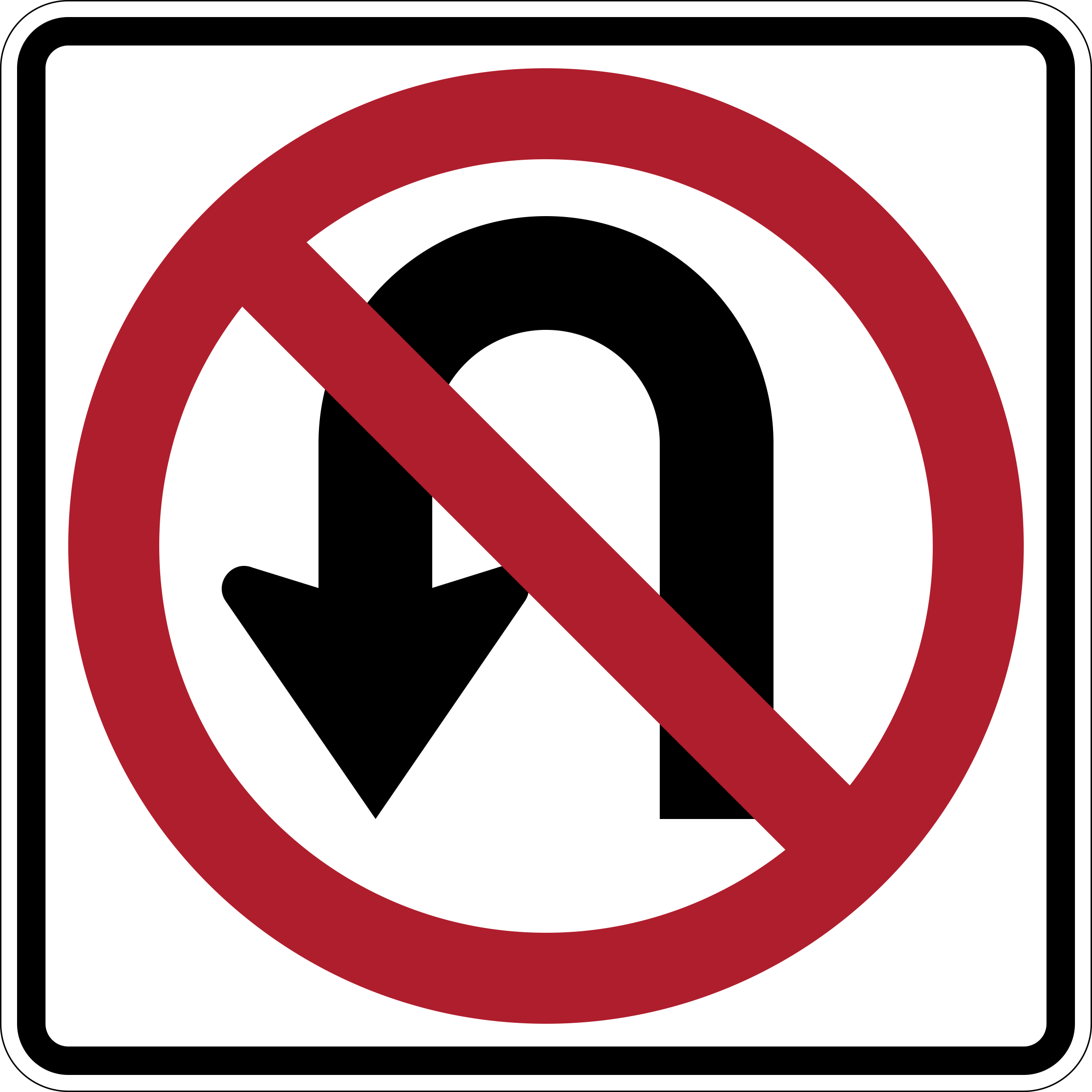
Making a U-turn is prohibited at this location
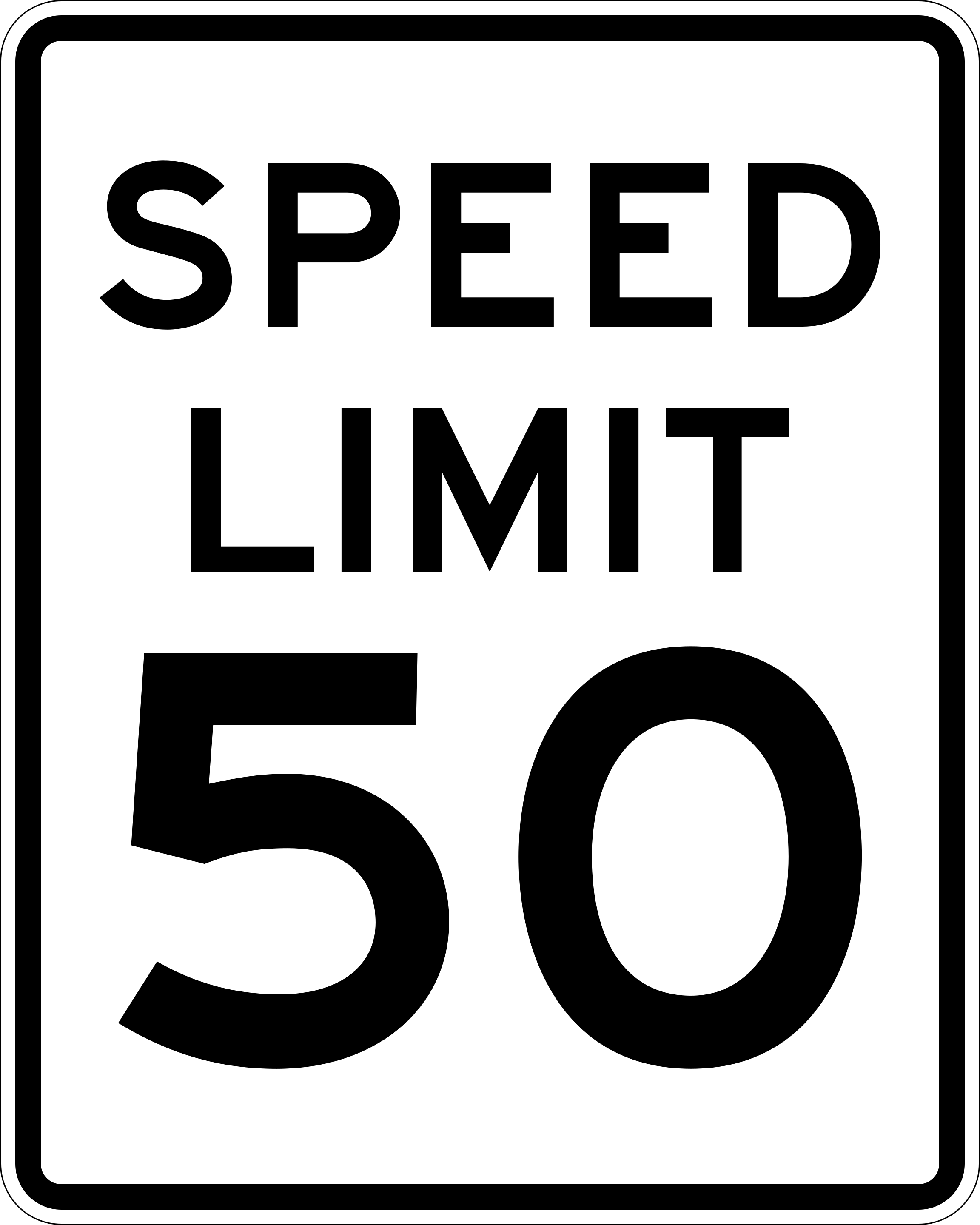
The maximum legal speed under normal conditions on this road is 55 mph
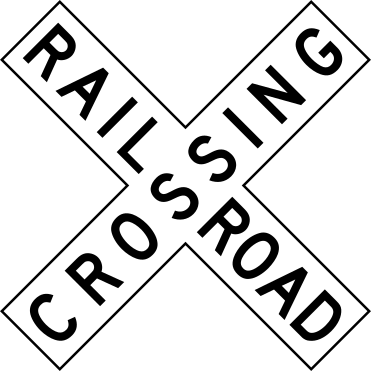
A railroad track crosses the road ahead; slow down, look, and listen for a train before crossing
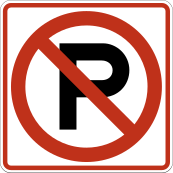
Parking is not allowed in this area
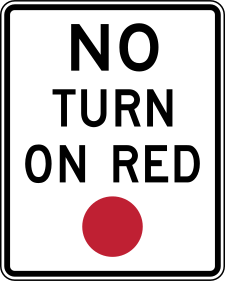
Drivers may not turn right at this intersection while the signal is red

Two lanes of traffic ahead are merging into one; be prepared to adjust speed and position

The road ahead curves; reduce speed as needed for the curve
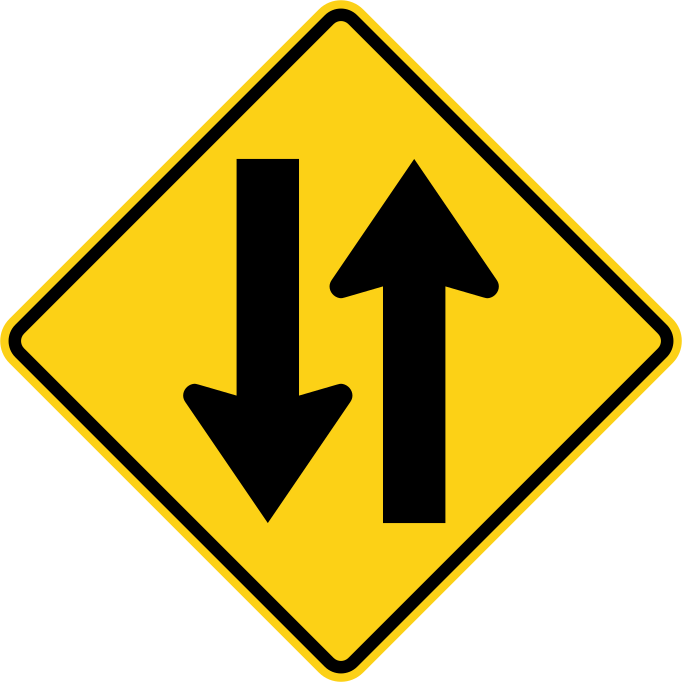
You are entering a section of road with traffic moving in both directions; stay in your lane

A stop sign is ahead; begin slowing down now to be able to stop when you reach it
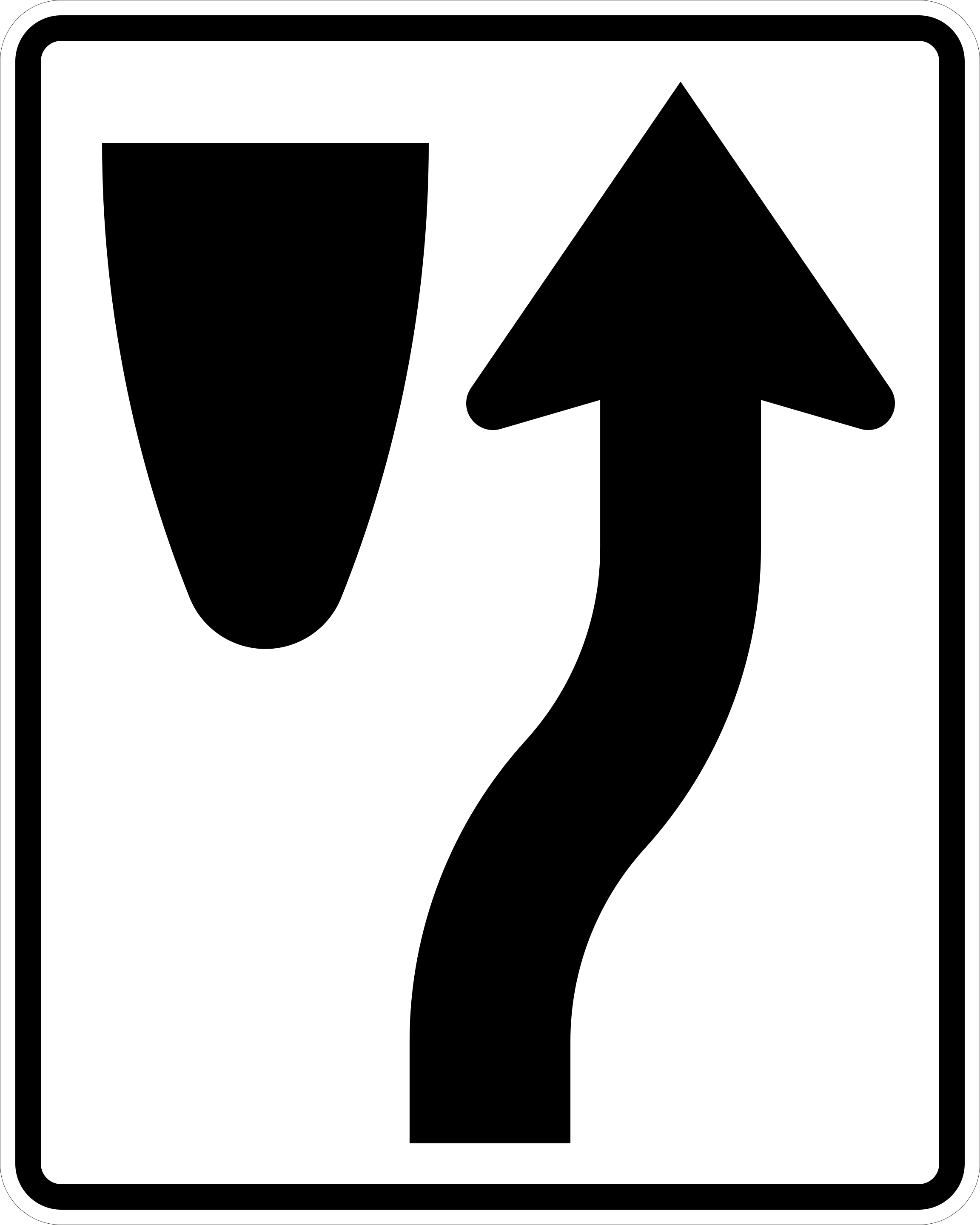
Drivers must keep to the right of a divider, island, or obstruction ahead
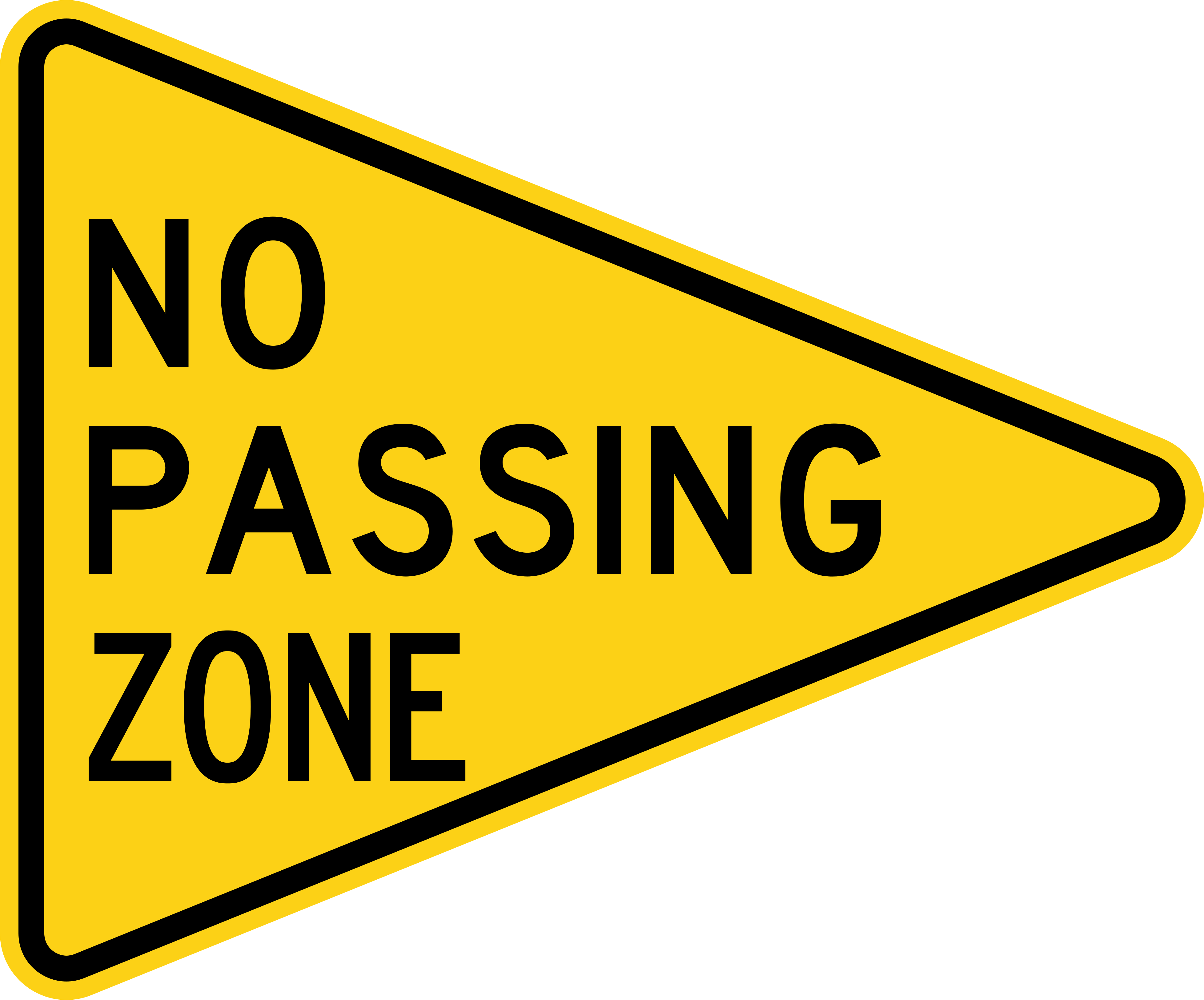
Passing other vehicles is prohibited in this zone

Slow down and watch for pedestrians who may be crossing ahead

Reduce speed and watch closely for children crossing the road

Be alert for cyclists who may be entering or crossing the roadway

Stay alert for deer or other large animals that may dart into the road
Last reviewed: 2026-07-07